
CONCUSSION
Concussion & Post-Concussion Care
A concussion does not require a blow to the head. The same forces that cause whiplash can cause a concussion, and its symptoms are easy to mistake for stress or poor sleep. We screen for concussion after every collision, coordinate care with your physician, and treat the neck pain that so often accompanies it.
Minnesota Monthly Best Chiropractor 2020–2026 · Certified Chiropractic Sports Physician® (CCSP®) · Veteran and Woman-owned
OUR APPROACH
Screened at Every Injury Intake. Managed as a Team.
A concussion is a brain injury, and brain injuries receive medical evaluation first. Our role is to screen carefully, refer when the findings call for it, and treat what we are trained to treat: cervical spine injury, the balance and visual-tracking systems that contribute to dizziness, and the headaches that frequently originate in the neck rather than the brain.
Many post-concussion symptoms that linger for weeks are driven by the neck. That component responds well to hands-on care and graded exercise.
If something does not add up, we say so and connect you with the right specialist.
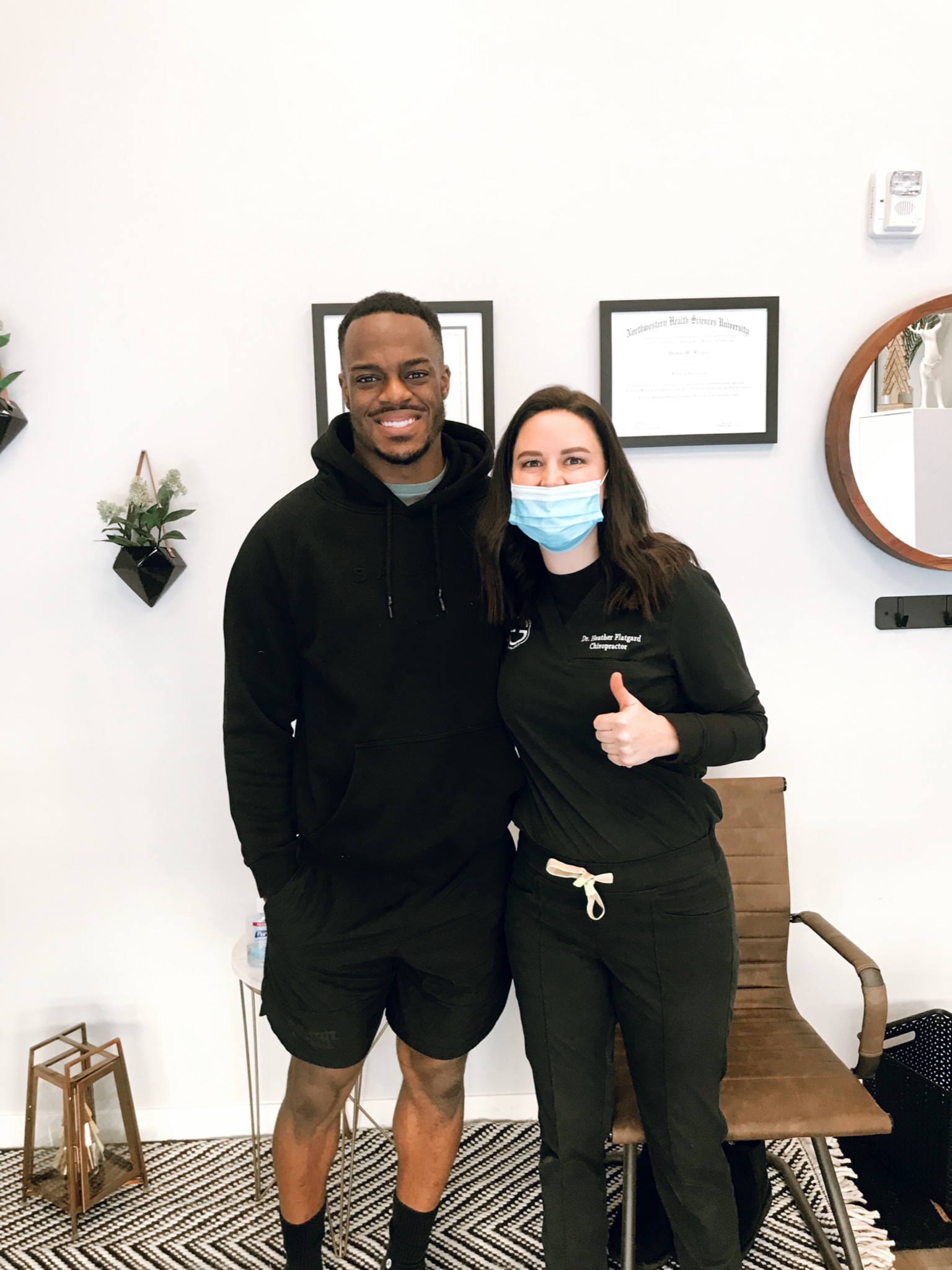
Dr. HeatherDC, MS, CCSP®
WHAT CONCUSSION CAN LOOK LIKE
It Is Not Always a Headache
Symptoms may begin hours or days after a crash, fall or sports collision. These are the ones we see most often.
Headache & Pressure
Pressure or aching at the base of the skull or behind the eyes, often worse with screens or concentration. See our Headaches & Migraines page.
Dizziness & Balance
Feeling unsteady, lightheaded or motion-sick as a passenger. Frequently driven by the neck and the inner-ear balance system.
Fog & Concentration
Difficulty finishing a thought, slowed reading, and forgetting why you walked into a room.
Light & Noise Sensitivity
Bright stores, screens and busy rooms feel overwhelming, and headaches worsen in those settings.
Sleep & Mood Changes
Sleeping far more or far less than usual, irritability, or feeling flat or anxious without a clear reason.
Neck Pain & Whiplash
Nearly every concussion from a collision is accompanied by a neck injury. See our Whiplash page.
Insurance, no-fault and the full process: Auto Accident & Injury Care →
HOW WE APPROACH IT
Treat the Neck. Retrain Balance. Rebuild Tolerance.
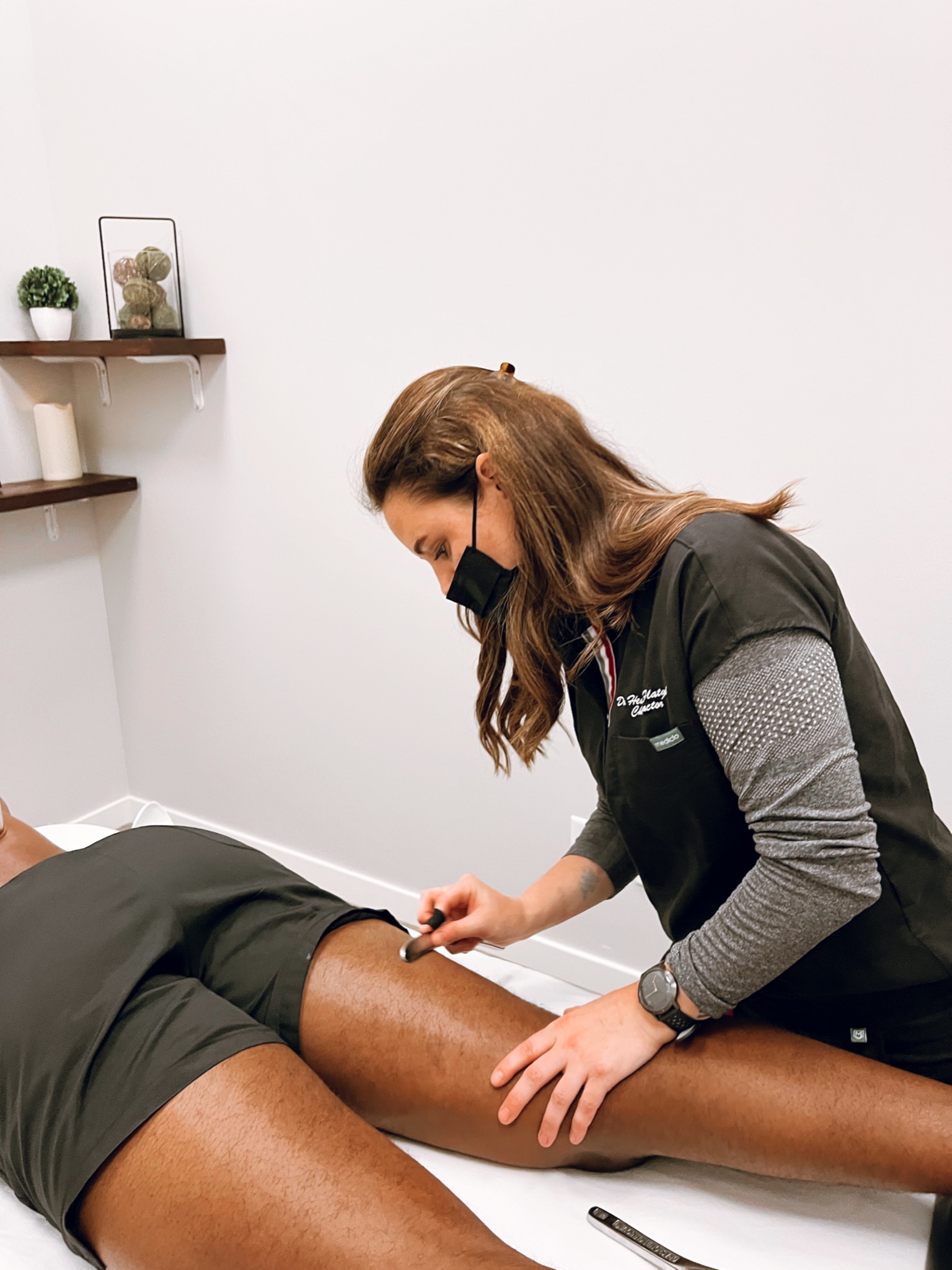
Relative rest matters for the first day or two. After that, current evidence favors a gradual return to activity, with the neck and the balance system treated directly. Depending on your findings, your plan may combine:
- A structured concussion screening at the first visit, with referral to neurology, a concussion clinic or the emergency room when the findings call for it.
- Gentle mobilization and adjustments of the cervical spine as your findings allow.
- Active Release Techniques® and Graston Technique® for the strained muscles that contribute to neck-related headache. Learn about ART®
- Vestibular and visual-tracking exercises for dizziness and motion sensitivity.
- A graded return-to-activity progression for work, school, driving and sport.
- Documented findings and progress notes for your claim and your attorney, if you have one.
- Coordinated care with your physician, neurologist or athletic trainer.
WHEN TO GO TO THE ER FIRST
Go to the ER or Call 911 If…
These signs require emergency evaluation. Chiropractic care comes afterward.
- Loss of consciousness, even briefly, or no memory of the crash.
- A headache that keeps getting worse, repeated vomiting or a seizure.
- Confusion, slurred speech, unusual drowsiness or one pupil larger than the other.
- Weakness, numbness or trouble walking.
Minnesota is a no-fault state: your own auto policy’s personal injury protection covers care after a crash, regardless of who caused it. We bill your auto insurer directly.
CONCUSSION FAQ
Concussion Questions, Answered
Straight answers to the questions we hear most. Something else on your mind? Call (952) 920-9247.
Can I have a concussion if I didn’t hit my head?
Yes. A concussion occurs when the brain moves rapidly inside the skull, which can happen from the whipping motion of a rear-end collision without any direct blow. That is why we screen every patient who has been in a collision.
Should I rest in a dark room until I feel better?
A day or two of relative rest, followed by a gradual return to light activity. Prolonged strict rest tends to slow recovery rather than speed it.
Why does my neck matter for a concussion?
The upper cervical spine shares nerve pathways with the balance system and the head. Neck injury is a common and treatable contributor to post-concussion headache, dizziness and mental fog.
How long does recovery take?
Most people recover within a few weeks. Symptoms lasting longer than a month are described as post-concussion syndrome, and that is where a team approach, including neck care and vestibular exercise, makes the greatest difference.
Do you work with my doctor or neurologist?
Yes. We coordinate care and share findings with your physician, neurologist, concussion clinic or athletic trainer.
Who pays after a car accident in Minnesota?
Minnesota is a no-fault state, so your own auto policy’s personal injury protection covers care after a crash regardless of fault. We bill your auto insurer directly and coordinate with your attorney if you have one.
RECOVER · PERFORM · KEEP GOING
Foggy, Dizzy or Not Yourself Since the Crash?
Schedule a visit at Excelsior & Grand Chiropractic in St. Louis Park, MN, serving Minneapolis, Edina, Golden Valley and Hopkins. We will screen carefully, treat what is within our scope, and connect you with the right specialist for the rest.
Questions first? Call (952) 920-9247.