ACTIVE RELEASE TECHNIQUES®
Active Release Techniques® (ART®) in St. Louis Park, MN
Hands-on soft tissue treatment for muscles, tendons, ligaments and nerves that feel tight, stuck or irritated, so you can move the way your work, sport and life ask you to.
Full-body ART® certified · Certified Chiropractic Sports Physician® (CCSP®) · Minnesota Monthly Best Chiropractor 2020–2026
WHY ART®
Why I Use Active Release Techniques®
A shoulder that won’t reach overhead without pinching. A hamstring that grabs every time you pick up the pace. A wrist that tingles by the end of a long day at the keyboard. Often the problem isn’t the joint. It’s the soft tissue around it.
After an injury, repetitive motion or long hours in one position, muscles, tendons, ligaments and nerves can stop gliding the way they should. Active Release Techniques® (ART®) is how I find exactly where that’s happening and treat it with my hands while you move.
It’s one of the tools I use most, but it still comes after the finding. Some patients need ART® as the main focus. For others it’s paired with adjustments, Graston Technique®, laser or exercise. And if the problem isn’t soft tissue, I’ll tell you that, too.
Find it, treat it, retest it. If the movement doesn’t change, the plan does.
Dr. HeatherDC, MS, CCSP®
HOW IT WORKS
How Active Release Technique Works
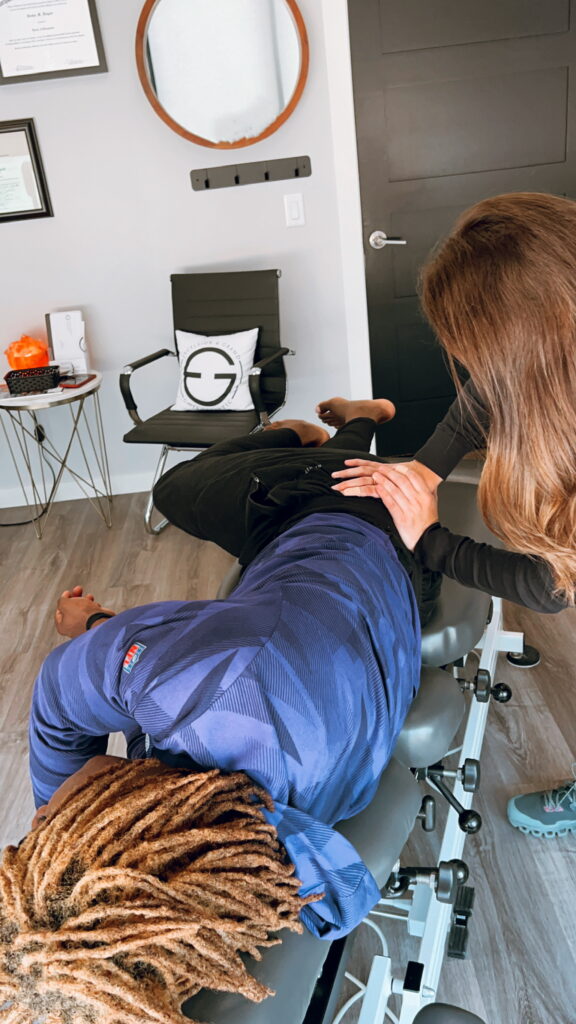
Active Release Techniques® (ART®) is a hands-on, movement-based soft tissue method. It focuses on areas where tissue has become tight, thickened or stuck to its neighbors, which can limit motion, irritate nerves and make an area feel weak or painful.
During treatment, I hold a specific contact on the tissue while you move, or I move the area for you. The tissue lengthens and glides under that contact. Each ART® protocol is specific to the structure being treated, which is why an accurate assessment matters so much.
Then we retest the movement that was bothering you, so you and I can both see whether it’s changing.
What an ART® Treatment Looks Like
- Find it. Feel for texture, tension and how the tissue moves.
- Treat it. A precise contact while the area moves through a specific range.
- Retest it. Check the movement or task that was bothering you.
- Build on it. Exercises that help the change hold up to your life.
ART® can feel intense, and many people describe it as a “good hurt.” Pressure stays within what you can tolerate, and you can ask for less at any time.
WHAT ART® CAN HELP WITH
ART® for Shoulder, Back, Hip, Elbow and Overuse Injuries
If a muscle, tendon, ligament or nerve isn’t moving the way it should, ART® may be part of the answer. These are the areas we treat most.
Shoulder & Rotator Cuff Pain
Pinching when you reach overhead, stiffness behind the shoulder blade, or a rotator cuff that’s irritated from lifting, swimming, throwing or desk posture.
Neck, Back & Sciatica
Guarded muscles along the spine, and sciatic-type pain from a nerve irritated by tight muscle in the hip or buttock, like the piriformis.
Hip, Hamstring & IT Band
Hamstrings that keep grabbing, tight hip flexors from long days sitting, and outer thigh and knee pain that shows up a few miles into a run.
Elbow, Wrist & Hand
Tennis and golfer’s elbow, forearm tightness, and carpal tunnel-type symptoms from typing, tools, racquets or climbing.
Knee, Shin & Foot Pain
Shin splints, Achilles tightness and plantar fasciitis, the kind of overuse pain that builds with mileage, new shoes or more time on your feet.
Tension Headaches & Jaw
Tight muscles in the neck, upper back and jaw that feed tension-type headaches and jaw (TMJ) discomfort.
We also see: nerve entrapment, repetitive strain from desk and computer work, and scar tissue that limits movement after an injury. Whether ART® is a good fit depends on what your exam shows.
When to get medical care first: sudden severe pain, a suspected broken bone, or new numbness, weakness or loss of bladder or bowel control needs medical attention right away. Call 911 or go to the nearest emergency room.
WHO IT’S FOR
ART® Isn’t Just for Athletes
Professional teams made ART® well known, but most people who benefit from it are simply asking their bodies to do the same thing, over and over.
You’re Active
Runners, golfers, gym-goers, climbers and weekend players, whether you’re just starting, getting back into it or working toward something new.
Your Work Repeats
Desk and laptop days, hours on the phone, tools, a steering wheel or a baby on your hip. Repetition and long holds load soft tissue too.
Something Happened
A strain, a fall or a car accident that left an area tight, guarded or slow to recover, even after the initial pain settled down.
HOW CARE WORKS
What to Expect with ART® at Excelsior & Grand
ART® is part of your chiropractic care, so it starts the same way every plan here does: with understanding.
01
History and Assessment
Your first visit covers what’s going on, what you need your body to do, and an exam of how you move.
02
Your Findings and Plan
Dr. Heather reviews your history alongside the exam, then goes over the findings and your plan at your follow-up visit.
03
ART® and What Fits with It
When soft tissue is part of the picture, ART® is used where it’s needed, often alongside adjustments, Graston Technique®, laser or exercise.
04
Retest and Progress
Movement is checked visit to visit. As you improve, care shifts toward exercises that help the change hold, and the plan changes when you do.
THE E&G STANDARD
Hands-On Care with a Reason Behind It
Good soft tissue work is specific. It treats the structure that’s actually involved, checks whether it helped, and gives you a way to keep the progress.
That’s the standard behind everything at Excelsior & Grand: understand first, choose the tool after the finding, explain the reason and adjust as you progress. When something else is the better answer, including a referral, you’ll hear it from us.
You have one body. It should move the way you need it to.
- Findings first. ART® is chosen after we understand what’s going on.
- Retested every visit. If the movement isn’t changing, we change course.
- Not everyone needs everything. Adjustments, Graston Technique®, Class 4 laser and exercise are added only when they fit.
- Capacity, not dependence. Exercises that help you keep the progress on your own.
PATIENT STORIES
Why Patients Trust Excelsior & Grand




Minnesota Monthly Best Chiropractor, seven years running (2020–2026) · Read more reviews on Google →
ART® FAQ
Active Release Technique Questions, Answered
Straight answers about how ART® works, what it feels like and how to get started. Something else on your mind? Call (952) 920-9247.
What is Active Release Techniques® (ART®)?
ART® is a hands-on, movement-based soft tissue method for muscles, tendons, ligaments, fascia and nerves. The provider holds a precise contact on the tissue while the area moves through a specific range, helping tissue that has become tight or stuck move and glide more freely.
What conditions does ART® help with?
ART® is commonly used for shoulder and rotator cuff pain, neck and back tightness, sciatic-type pain from tight hip muscles, hamstring and IT band problems, tennis and golfer’s elbow, carpal tunnel-type symptoms, shin splints, Achilles pain, plantar fasciitis and tension headaches. Whether it fits your situation depends on what your exam shows.
Does ART® hurt?
It can feel intense, especially over tissue that’s irritated, and many people describe it as a “good hurt.” Pressure stays within what you can tolerate, and you can ask for less at any time.
Will I be sore after ART®?
Some people feel mild soreness for a day or two, similar to after a hard workout. It usually settles on its own. Let us know how you felt at your next visit so we can adjust.
How is ART® different from massage?
Massage generally works over broader areas to relax muscle and ease tension. ART® is a targeted treatment: it’s used after an exam to treat a specific structure, combines pressure with movement, and is followed by retesting the motion that was bothering you. Both can be helpful, and some patients use both.
How is ART® different from Graston Technique®?
ART® uses the hands with active or passive movement. Graston Technique® uses stainless steel instruments over the skin to treat soft tissue. They work well together, and Dr. Heather chooses between them, or uses both, based on what she finds.
How many ART® treatments will I need?
It depends on the area, how long the problem has been there and what else is involved. Movement is retested at each visit, so you’ll know how things are changing, and the plan adjusts as you progress.
Is ART® only for athletes?
No. ART® is well known in sports, but it’s just as useful for desk workers, parents, tradespeople and anyone whose body repeats the same motions or holds the same position for hours.
Can ART® help with sciatica?
It can when muscle is part of the problem, such as when tight muscle in the hip or buttock irritates the sciatic nerve. Sciatica can also come from the spine itself, like a disc problem, which may call for a different approach. The exam helps sort that out.
Can ART® help with carpal tunnel symptoms?
Numbness, tingling or aching in the hand can come from tight tissue anywhere along the nerve’s path, from the neck to the forearm and wrist. ART® can address those soft tissue areas. Symptoms that are severe or getting worse may need a referral for further testing.
Can ART® help with plantar fasciitis?
Often, yes, as part of a plan. Tight calves and foot muscles commonly contribute to heel pain, and ART® can treat those areas. It works best combined with strengthening, footwear changes and sensible changes to training load.
Is Dr. Heather certified in ART®?
Yes. Dr. Heather holds full-body Active Release Techniques® certification and is a Certified Chiropractic Sports Physician® (CCSP®).
How do I book ART®?
ART® is part of chiropractic care, so Schedule a Visit online or call (952) 920-9247. Your first visit is your history and exam, and Dr. Heather reviews your findings and plan at your follow-up visit.
Does insurance cover ART®?
Coverage depends on your plan. Call us and we’ll help you understand your benefits. Medicare and Minnesota state plans cover spinal adjustments only. HSA and FSA cards are accepted, and payment is due at the time of service.
What should I wear?
Comfortable clothing that lets us reach the area you’re coming in for. Shorts or a tank top can help for legs, hips and shoulders.
Where do I park?
We’re on the commercial side of The Elmwood apartments. The easiest option is the parking lot behind the building: come in through the main entrance, and our office is right inside on your left. Street parking is also available out front. If you park there, use the commercial entrance and follow the signs to our office at the back.
RECOVER · PERFORM · KEEP GOING
Get Moving the Way You Need To
Schedule a visit at Excelsior & Grand Chiropractic in St. Louis Park, MN, serving Minneapolis, Edina, Golden Valley and Hopkins. Tell us what’s tight, stuck or sore, and what you need your body to do next.
Questions first? Call (952) 920-9247.